

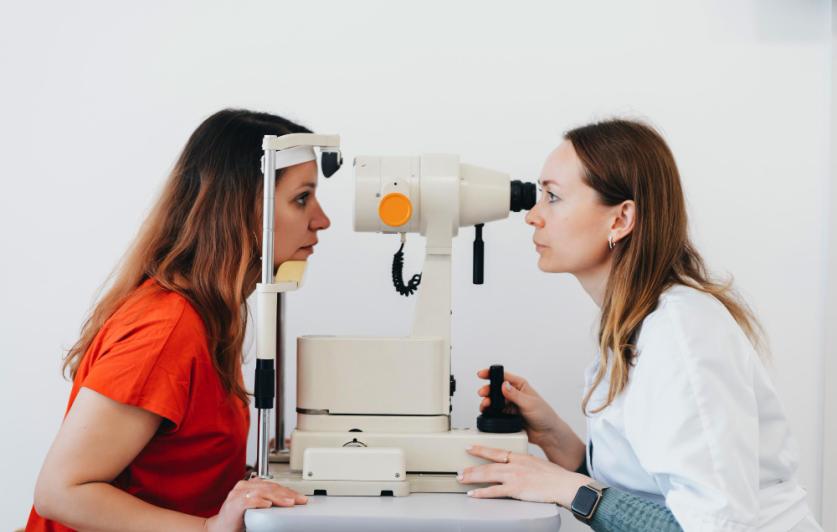
A Comprehensive Eye Check-up is a full-spectrum ophthalmological examination designed to evaluate every aspect of ocular health, visual function, and refractive status. At Neueye, this multi-stage assessment includes visual acuity testing, autorefraction, slit-lamp biomicroscopy, dilated fundus examination, intraocular pressure (IOP) measurement via non-contact tonometry, anterior segment evaluation, and retinal screening. It serves as the foundation for diagnosing refractive errors, detecting early-stage ocular pathology, and establishing a baseline for long-term eye health monitoring.
Symptoms / Indications
- Blurred or fluctuating vision at near or distance
- Persistent headaches, particularly after visual tasks
- Eye strain, fatigue, or discomfort during prolonged reading or screen use
- Frequent rubbing of eyes, watering, or redness
- Difficulty seeing in low-light conditions
- Halos, glare, or starbursts around lights
- Routine annual screening with no overt symptoms (preventive)
Benefits
- Early detection of refractive errors, cataract, glaucoma, and retinal disease
- Accurate prescription for spectacles or contact lenses
- Identification of systemic conditions manifesting in the eye (diabetes, hypertension, thyroid disease)
- Personalized eye-care plan and follow-up schedule
- Prevention of avoidable vision loss through timely intervention
- Comprehensive baseline documentation for future comparison
Why Choose Neueye
- Board-certified ophthalmologists with sub-specialty training
- State-of-the-art diagnostic equipment including OCT, fundus camera, and autorefractor
- Structured 360-degree evaluation protocol covering anterior and posterior segments
- Transparent reporting with digital records accessible to patients
- Convenient appointment scheduling with minimal waiting time
- Integrated care pathway for any conditions detected
Frequently Asked Questions
Q: How often should I undergo a comprehensive eye check-up?
A: Adults under 40 should have a comprehensive evaluation every two years; individuals above 40, diabetics, and those with a family history of eye disease should be examined annually.
Q: How long does the examination take?
A: A complete check-up typically takes 45 to 60 minutes, including dilation. Patients should plan for an additional 2 to 3 hours of blurred near vision following pupil dilation.
Q: Do I need to fast or stop any medication before the examination?
A: No fasting is required. Continue all prescribed medications. Avoid wearing contact lenses for at least 24 hours prior if a refraction is planned.
Q: Will my pupils be dilated, and is it safe to drive afterwards?
A: Pupil dilation is routinely performed for thorough retinal evaluation. Driving is not recommended for 3 to 4 hours post-dilation; arrange alternative transportation or bring sunglasses.
Q: What documents should I carry to my appointment?
A: Bring previous spectacle prescriptions, prior medical records, a list of current medications, and any prior ophthalmic reports or imaging.