

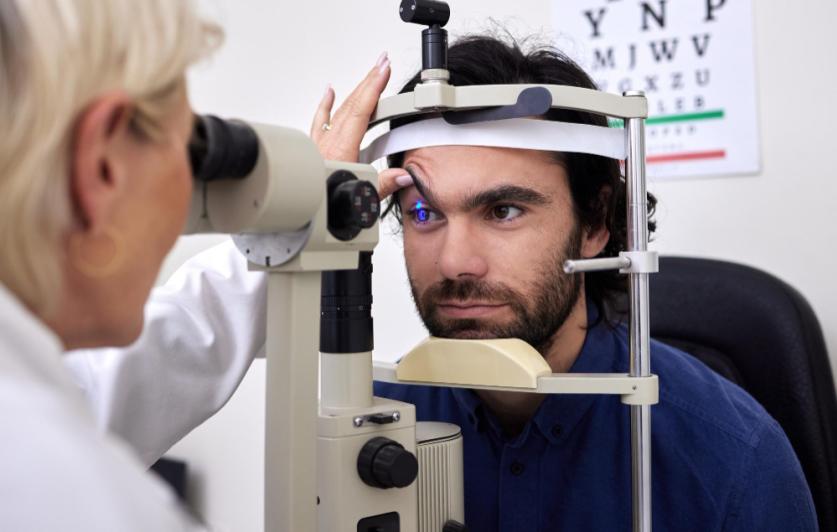
Neuro-Ophthalmology Evaluation at Neueye addresses visual disturbances arising from disorders of the optic nerve, visual pathways, and central nervous system. This specialized assessment is indicated when ocular symptoms suggest underlying neurological pathology, including optic neuritis, papilledema, ischemic optic neuropathy, diplopia, ptosis, pupillary anomalies, and unexplained vision loss. Diagnostic workup encompasses visual acuity, color vision testing, pupillary reflex assessment, visual field perimetry, optic nerve OCT, ocular motility examination, and coordination with neurology and radiology services for comprehensive evaluation.
Symptoms / Indications
- Sudden or progressive unexplained vision loss
- Double vision (diplopia) horizontally, vertically, or oblique
- Drooping of the eyelid (ptosis)
- Unequal pupil size (anisocoria) or abnormal pupil reactions
- Pain on eye movement, often associated with optic neuritis
- Reduced color vision or contrast sensitivity
- Visual field defects, transient visual obscurations, or visual hallucinations
Benefits
- Accurate diagnosis of neuro-visual disorders that may mimic primary eye disease
- Detection of life-threatening conditions such as intracranial tumors, aneurysms, or demyelinating disease
- Coordinated multidisciplinary care with neurology, neurosurgery, and rheumatology
- Objective documentation through perimetry and OCT for monitoring response to treatment
- Reduction in diagnostic delay for time-sensitive conditions
- Targeted treatment that may prevent permanent vision and neurological deficits
Why Choose Neueye
- Sub-specialty trained neuro-ophthalmologists experienced in complex presentations
- Comprehensive in-house diagnostic suite including OCT, perimetry, and fundus imaging
- Established referral pathways with neurology, neurosurgery, and radiology
- Rapid evaluation protocols for urgent presentations
- Detailed reporting integrating ophthalmic and neurological findings
- Long-term follow-up for chronic neuro-ophthalmic conditions such as multiple sclerosis
Frequently Asked Questions
Q: When should I see a neuro-ophthalmologist?
A: Consultation is recommended when vision symptoms suggest a neurological cause, such as double vision, unexplained vision loss, optic nerve swelling, abnormal pupils, or visual field defects.
Q: What is optic neuritis and what causes it?
A: Optic neuritis is inflammation of the optic nerve, often causing painful vision loss in one eye. It is commonly associated with multiple sclerosis but can result from other inflammatory, infectious, or autoimmune conditions.
Q: Will I need an MRI scan?
A: Many neuro-ophthalmic conditions require MRI or CT imaging of the brain and orbits for accurate diagnosis. Imaging is ordered selectively based on clinical findings.
Q: Can neuro-ophthalmic conditions be cured?
A: Outcomes depend on the underlying cause. Some conditions resolve completely with treatment, while others require long-term management. Early diagnosis significantly improves prognosis.
Q: Is double vision always a neurological emergency?
A: Acute-onset binocular double vision warrants prompt evaluation, as it may indicate cranial nerve palsy, stroke, aneurysm, or other serious conditions requiring urgent intervention.