

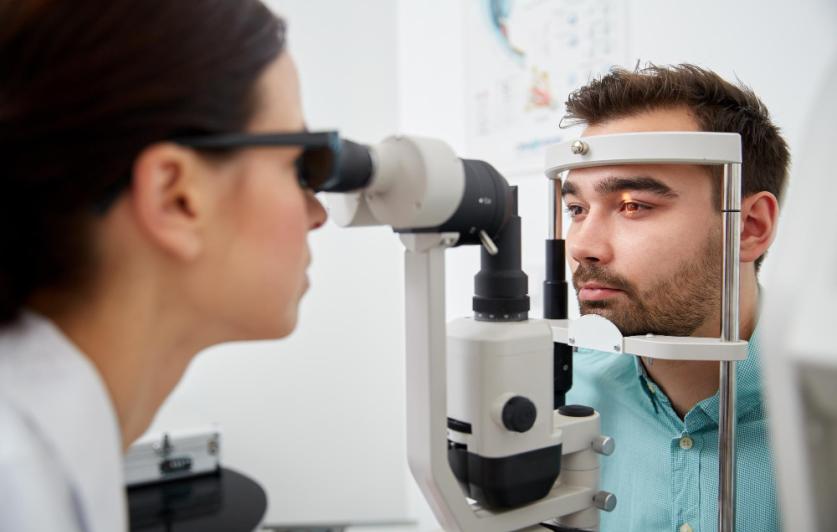
Glaucoma Screening is a comprehensive ophthalmological evaluation aimed at early detection of glaucoma, a group of progressive optic neuropathies often termed the silent thief of sight due to its largely asymptomatic course until advanced stages. The Neueye glaucoma protocol includes intraocular pressure (IOP) measurement, gonioscopy for angle assessment, central corneal thickness (pachymetry), optic nerve head evaluation, optical coherence tomography (OCT) of the retinal nerve fiber layer, and visual field perimetry. Early diagnosis allows initiation of medical, laser, or surgical therapy that can halt or significantly slow disease progression.
Symptoms / Indications
- Typically asymptomatic in early to moderate stages
- Gradual loss of peripheral or side vision
- Halos or rainbow-colored rings around lights
- Eye pain, severe headache, nausea, or vomiting (acute angle-closure emergency)
- Sudden blurred or reduced vision
- Tunnel vision in advanced stages
- Family history of glaucoma is a strong indication for screening even without symptoms
Benefits
- Detection of glaucoma before irreversible vision loss occurs
- Objective baseline documentation of optic nerve and visual field status
- Tailored treatment plan including drops, laser, or minimally invasive surgery
- Long-term preservation of functional vision
- Risk stratification for individuals with family history or ocular hypertension
- Identification of secondary glaucomas linked to systemic or ocular conditions
Why Choose Neueye
- Dedicated glaucoma clinic with sub-specialty trained ophthalmologists
- Latest generation OCT, Humphrey visual field analyzer, and gonioscopy lenses
- Comprehensive medical, laser (SLT, YAG iridotomy), and surgical (trabeculectomy, MIGS) options
- Long-term monitoring protocols with digital trend analysis
- Patient counseling on adherence and disease understanding
- Emergency care available for acute angle-closure presentations
Frequently Asked Questions
Q: Who is at higher risk of developing glaucoma?
A: Risk factors include age over 40, family history of glaucoma, high myopia or hyperopia, diabetes, prolonged steroid use, prior eye trauma, and certain ethnic backgrounds.
Q: Can vision lost to glaucoma be restored?
A: Unfortunately, vision loss from glaucoma is irreversible. Treatment focuses on preserving remaining vision by lowering intraocular pressure and halting further damage.
Q: Is glaucoma always associated with high eye pressure?
A: No. Normal-tension glaucoma occurs at statistically normal IOP levels. This is why comprehensive evaluation including optic nerve imaging and visual fields is essential.
Q: How is glaucoma treated?
A: Treatment options include pressure-lowering eye drops, laser procedures such as SLT or iridotomy, and surgical interventions including trabeculectomy or minimally invasive glaucoma surgery (MIGS).
Q: Will I need eye drops for life?
A: Most glaucoma patients require lifelong therapy to maintain target intraocular pressure. Adherence to prescribed regimens is critical to long-term vision preservation.