

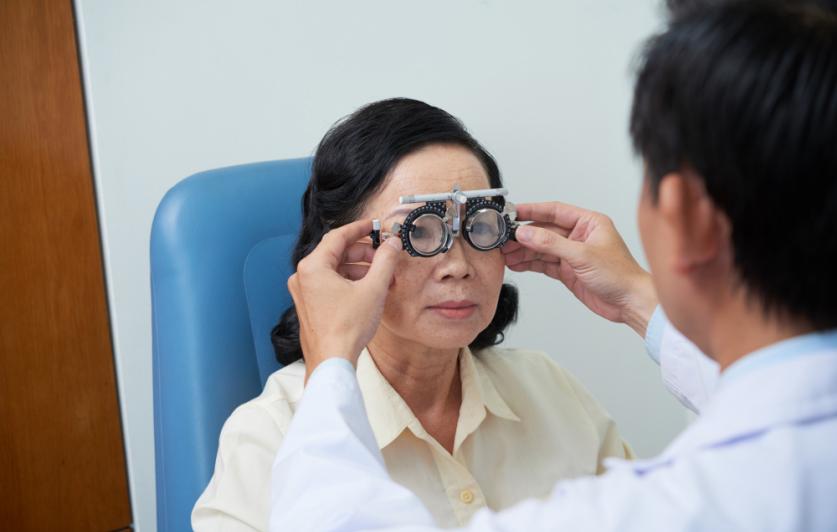
Diabetic Eye Screening is a specialized ophthalmological assessment designed to detect and monitor ocular complications of diabetes mellitus, principally diabetic retinopathy, diabetic macular edema, and diabetes-related cataract. At Neueye, the screening protocol includes dilated fundus examination, optical coherence tomography (OCT) of the macula, fundus photography, and where indicated, fluorescein angiography. Diabetic retinopathy is the leading cause of preventable blindness in working-age adults, and timely detection through structured screening dramatically reduces the risk of severe vision loss.
Symptoms / Indications
Blurred, distorted, or fluctuating vision
- Floaters or dark spots in the visual field
- Difficulty perceiving colors or reduced contrast sensitivity
- Sudden vision loss in one or both eyes
- Dark or empty areas in central vision
- Often asymptomatic in early stages; screening is essential even without symptoms
- Frequent changes in spectacle prescription
Benefits
- Early detection of diabetic retinopathy before vision loss occurs
- Timely laser, anti-VEGF injection, or surgical intervention when indicated
- Monitoring of disease progression with objective imaging
- Coordinated care with endocrinologists for optimal glycemic control
- Significant reduction in risk of permanent blindness
- Patient education on lifestyle and metabolic factors affecting eye health
Why Choose Neueye
- Comprehensive diabetic retina clinic with advanced imaging modalities
- OCT, fundus photography, and fluorescein angiography under one roof
- Experienced retinal specialists trained in diabetic eye disease management
- In-house laser therapy and intravitreal injection services
- Integrated care pathway with diabetologists and endocrinologists
- Digital record-keeping for longitudinal disease tracking
Frequently Asked Questions
Q: How frequently should a diabetic patient have an eye examination?
A: Every diabetic patient should undergo annual dilated fundus examination from the time of diagnosis. More frequent monitoring is required if retinopathy is detected or pregnancy is anticipated.
Q: Can good blood sugar control prevent diabetic retinopathy?
A: Strict glycemic, blood pressure, and lipid control significantly reduces the risk and slows the progression of diabetic retinopathy, though it does not entirely eliminate the risk.
Q: What is the treatment for diabetic retinopathy?
A: Treatment depends on disease stage and may include observation, laser photocoagulation, intravitreal anti-VEGF or steroid injections, or vitrectomy surgery in advanced cases.
Q: Is the eye examination painful?
A: No. The screening is non-invasive. Dilating drops may cause temporary blurred near vision and light sensitivity for a few hours.
Q: Can diabetic retinopathy be reversed once it develops?
A: Early stages can stabilize or improve with optimal systemic control and treatment. Advanced damage is generally irreversible, underscoring the importance of early screening.