

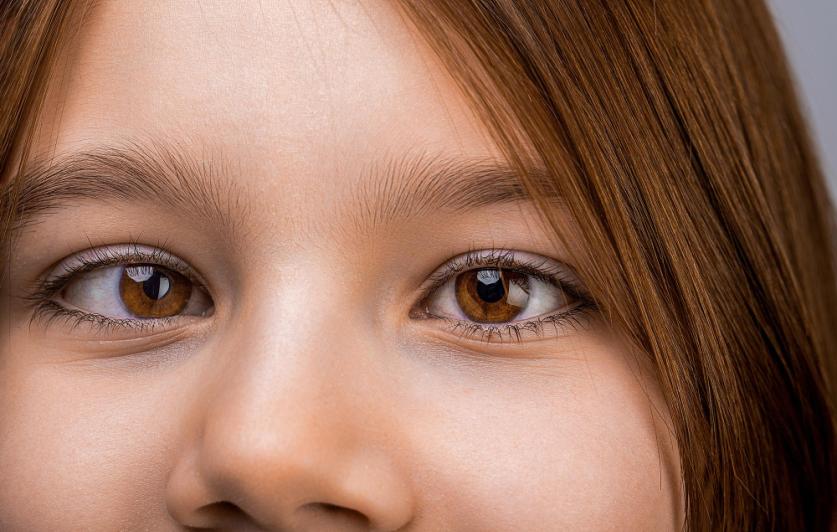
Squint Surgery, or strabismus surgery, is a corrective procedure for ocular misalignment in which the eyes do not point in the same direction. At Neueye, the comprehensive strabismus service includes detailed orthoptic evaluation, prism cover testing, Hess charting, sensory testing for binocular vision, and surgical realignment of the extraocular muscles when indicated. The procedure is suitable for both children and adults, restoring not only ocular alignment but also binocular vision, depth perception, and visual comfort, alongside significant aesthetic improvement. Adjustable suture techniques are available for select adult cases to refine outcomes.
Symptoms / Indications
- Visible misalignment of one or both eyes (inward, outward, upward, or downward)
- Double vision (diplopia), particularly in adult-onset strabismus
- Head tilting or face turning to compensate for misalignment
- Eye strain or fatigue during visual tasks
- Reduced depth perception and difficulty with three-dimensional tasks
- Squinting or closing one eye in bright sunlight
- Social or psychological impact due to cosmetic appearance
Benefits
- Restoration of ocular alignment and improved cosmetic appearance
- Recovery of binocular vision and depth perception in suitable cases
- Elimination or reduction of double vision in adult strabismus
- Improved social confidence and psychological well-being
- Potential resolution of abnormal head posture
- Day-care surgery with minimal downtime
Why Choose Neueye
- Sub-specialty trained pediatric and adult strabismus surgeons
- Comprehensive orthoptic evaluation prior to surgical planning
- Advanced techniques including adjustable sutures and minimally invasive approaches
- Coordinated management of associated amblyopia and refractive errors
- Experienced team for complex, re-operative, and paralytic strabismus
- Day-care surgery with structured post-operative rehabilitation
Frequently Asked Questions
Q: Can squint be treated without surgery?
A: Many cases of squint can be managed non-surgically with spectacles, prism lenses, occlusion therapy, or vision training. Surgery is recommended when these measures are insufficient to achieve alignment.
Q: What is the ideal age for squint surgery in children?
A: Most types of childhood strabismus benefit from early surgical correction, often before 2 years of age for congenital cases, to maximize the development of binocular vision.
Q: Is squint surgery safe?
A: Squint surgery has an excellent safety profile when performed by experienced surgeons. Serious complications are rare, and most patients experience smooth recovery.
Q: Will my vision improve after squint surgery?
A: Surgery primarily aligns the eyes. Visual acuity itself is addressed separately, typically with glasses or amblyopia therapy. Binocular vision and depth perception may improve significantly.
Q: Can squint recur after surgery?
A: In a minority of cases, residual or recurrent misalignment may occur, requiring further intervention with glasses, prisms, or repeat surgery. Long-term follow-up is therefore important.