

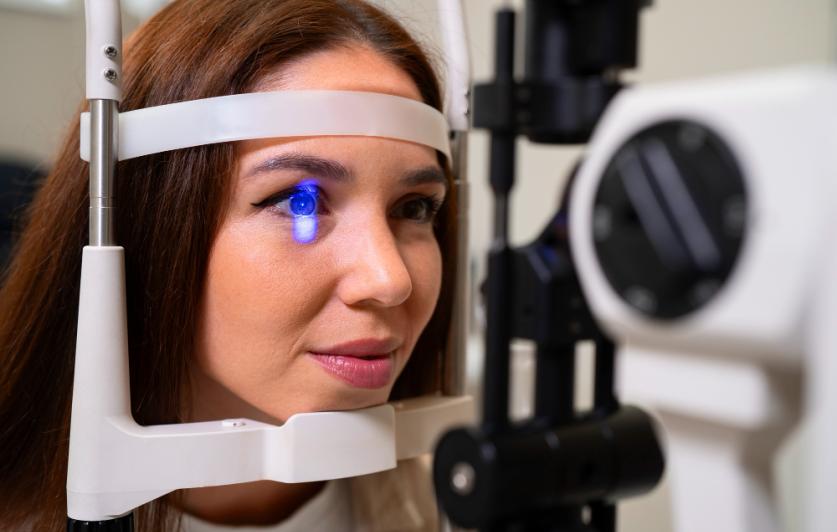
Advanced Cataract Surgery at Neueye is performed using phacoemulsification and femtosecond laser-assisted cataract surgery (FLACS). Through micro-incisions under topical anesthesia, the opacified lens is emulsified and replaced with a customized intraocular lens. Laser-assisted techniques add precision in capsulotomy, lens fragmentation, and corneal incisions.
Symptoms / Indications
- Visually significant cataract interfering with daily activities
- Functional impairment in driving, reading, or occupational tasks
- Glare disability and reduced quality of life
- Mature or hypermature cataract
- Refractive instability due to lens changes
Benefits
- Minimally invasive micro-incision technique with rapid healing
- High predictability of refractive outcomes
- Day-care procedure with visual recovery typically within 24 to 48 hours
- Enhanced precision and safety with femtosecond laser assistance
- Suitable for complex cases including dense, traumatic, or post-vitrectomy cataracts
Frequently Asked Questions
Q: What is the difference between phaco and laser cataract surgery?
A: Phacoemulsification uses ultrasound energy through a manual incision, while laser-assisted surgery uses a femtosecond laser for incisions, capsulotomy, and lens softening, adding precision in selected cases.
Q: How long does the surgery take?
A: The procedure typically takes 15 to 20 minutes per eye, performed as day-care under topical anesthesia.
Q: When can I resume normal activities?
A: Most patients resume routine activities within 2 to 3 days. Strenuous activity, swimming, and eye rubbing should be avoided for 2 to 4 weeks.