

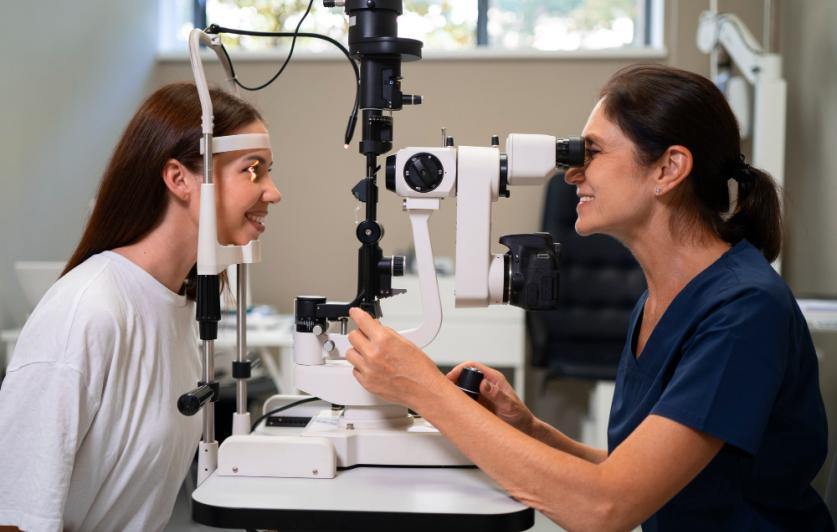
Cataract Diagnosis at Neueye involves a structured ophthalmological assessment to detect lens opacification and determine its severity, type, and impact on visual function. Evaluation includes visual acuity testing, slit-lamp biomicroscopy, dilated lens examination, glare and contrast sensitivity testing, and biometry for surgical planning when indicated.
Symptoms / Indications
- Gradually blurred, cloudy, or hazy vision
- Difficulty driving at night due to glare and halos
- Fading or yellowing of colors
- Frequent spectacle prescription changes
- Reduced contrast sensitivity in dim light
Benefits
- Accurate staging of cataract maturity and morphology
- Differentiation of cataract from other causes of visual decline
- Personalized timing recommendation for surgical intervention
- Pre-operative biometry for precise IOL power calculation
- Comprehensive ocular health assessment alongside cataract evaluation
Frequently Asked Questions
Q: At what stage should a cataract be diagnosed?
A: Cataracts should be evaluated as soon as visual symptoms appear. Early diagnosis enables informed planning rather than waiting for advanced opacification.
Q: Is cataract diagnosis painful or invasive?
A: No. The evaluation is non-invasive and comfortable, involving eye drops for pupil dilation and routine examination techniques.
Q: Can cataract progression be slowed?
A: While no medication reverses cataract, ultraviolet protection, smoking cessation, and good control of diabetes may slow progression.